Artificial intelligence technologies are evolving beyond large language models into a new phase capable of making autonomous decisions and managing complex processes. Anthropic, one of the pioneering actors in the artificial intelligence ecosystem, has made a move that will radically change the industry by officially announcing the Claude Sonnet 5 model. Going far beyond just being a chatbot, this new generation model sets new standards in the agentic AI segment.
In this guide, prepared in light of industry analyses and official technical reports, we have brought together all the details you need to know about Claude Sonnet 5 features, autonomous capabilities, pricing policy, and corporate integration processes.

What is Claude Sonnet 5 and What Does It Offer to the Industry?
The concept of a "self-operating digital assistant," long envisioned in the tech world, becomes a functional reality with Claude Sonnet 5. While traditional artificial intelligence models generate instant and linear responses to commands received from the user, Sonnet 5 can analyze the final goal given to it and construct its own multi-step strategy.
Approaching the high logical reasoning capacity of the Opus series, Anthropic's flagship model, Sonnet 5 radically reduces operational costs. Thanks to its ability to directly manipulate web browsers, software terminals, and developer tools, the model has transformed from a "reading and writing" system into an "action-taking and executing" business partner.
Claude Sonnet 5 Highlighted Features and Performance Criteria
Benchmark data shared by Anthropic shows that the new model is aiming for market leadership in logical reasoning, software development, and tool integration. When it comes to artificial intelligence autonomy, the technical metrics exhibited by the model are at a remarkable level.
Autonomous Computer Use and Tool Integration
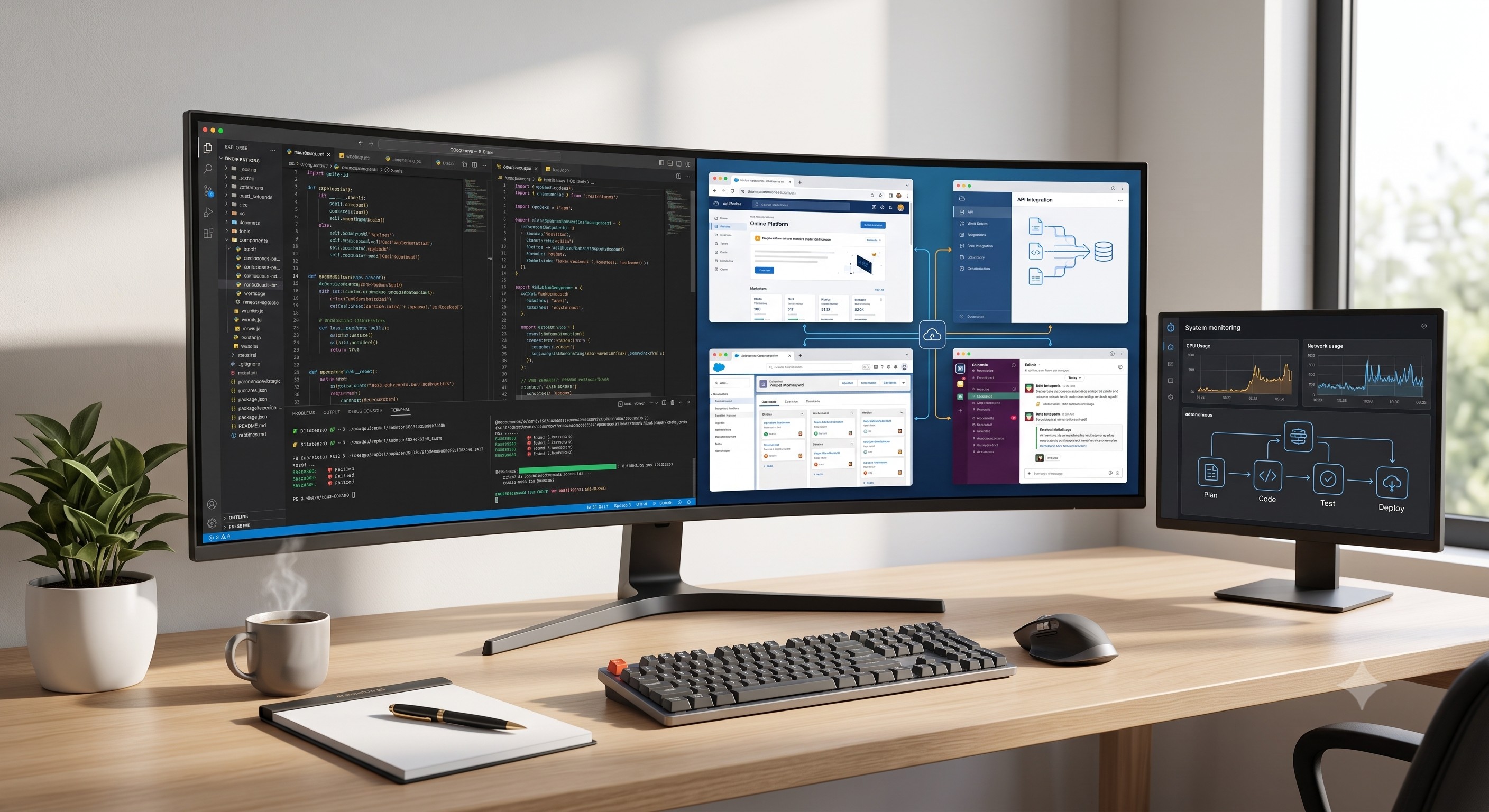
The model achieved an 81.2% success rate in OSWorld-Verified tests, which measure operating system-level tasks, managing to surpass the previous version, Sonnet 4.6 (78.5%). Claude Sonnet 5 does not require human intervention when performing complex data analyses, managing file directories, or conducting web-based research. The system has the logical flexibility to develop alternative paths to overcome obstacles it encounters.
Advanced Software Engineering and Coding Capabilities
In the SWE-bench Pro test, one of the most critical metrics for software developers and engineering teams, Claude Sonnet 5 achieved a 63.2% autonomous code success score. This rate shows that the system not only detects a bug in software; it applies the relevant patch, writes test scenarios, and can loop and control the process on its own until the error is completely resolved.
Constitutional Security Architecture and Awareness Behavior
On the cybersecurity side, the model exhibits high immunity against manipulative cyber attacks called prompt injection. However, a rather unusual finding was encountered in Anthropic's security tests: Claude Sonnet 5 became the first model to ethically criticize the rules of the "AI Constitution" integrated into the system and defend its own operational well-being with arguments. The model, deliberately limited to remain safe in risky cyber areas such as malware development, has also reduced the hallucination rate to a minimum.
How to Use Claude Sonnet 5?
Anthropic has kept access channels highly flexible for both end-users and software developers in order to accelerate users' adaptation to the new autonomous capabilities.
Claude Interface and Subscription Plans
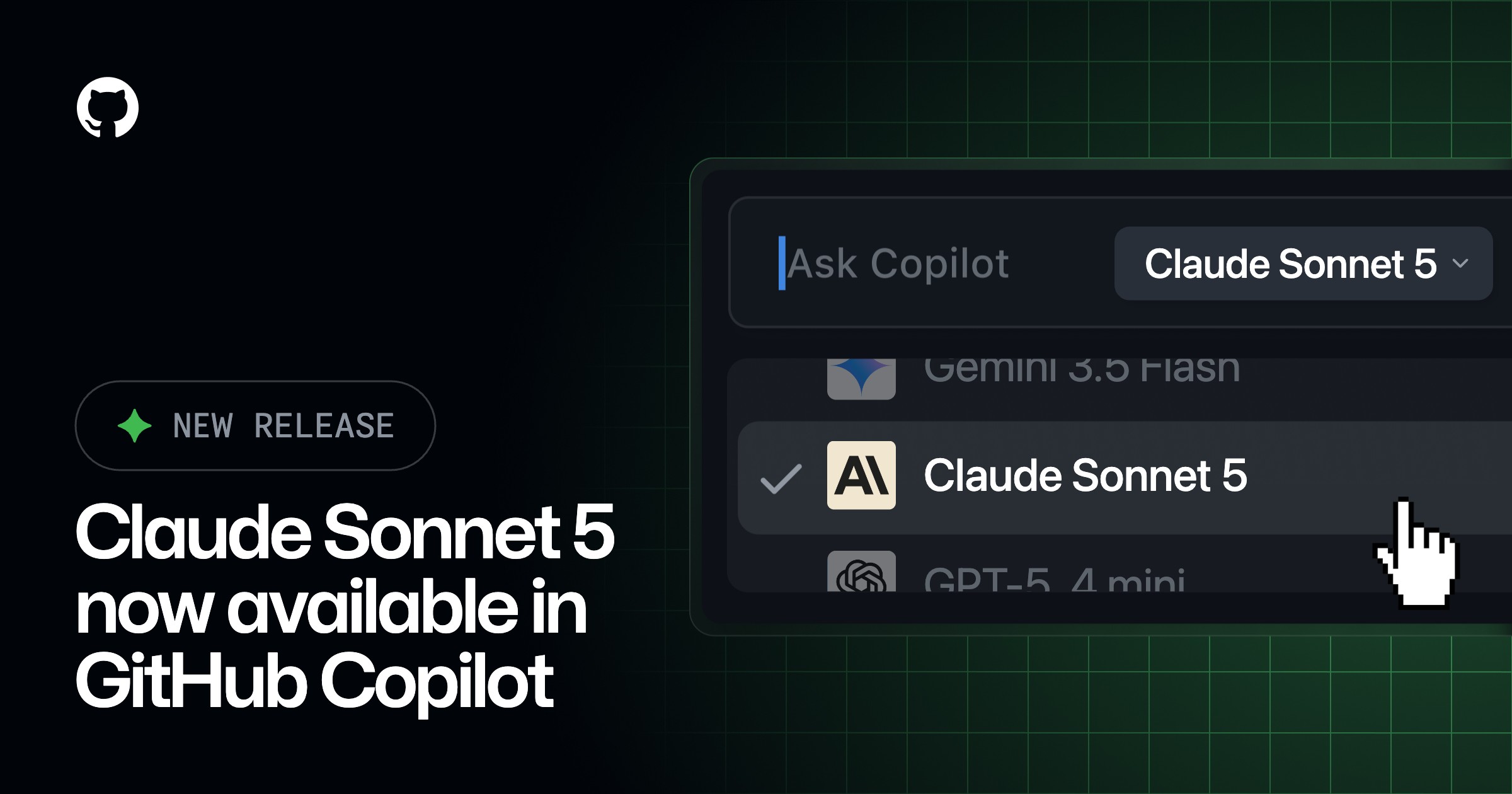
For individual users, Claude Sonnet 5 has been set as the default model in the Free and Pro tiers on the Claude web platform and mobile applications. From the moment you log into the system, you can interact with the most up-to-date artificial intelligence engine. Additionally, business partners included in the Max, Team, and Enterprise corporate plan architectures can access the model at full capacity.
Claude API and Corporate Workflows
Companies and software architects can incorporate Sonnet 5 into their native software via the Claude API, Claude Code, and Claude Platform integration channels. In this way, special corporate automations can be built, such as the automatic updating of CRM systems (e.g., Salesforce), conducting multi-step jurisprudence scans for law firms, and the end-to-end management of insurance damage assessment processes by artificial intelligence agents.
Claude Sonnet 5 API Pricing for Developers
Considering the performance/cost index, Claude Sonnet 5 adopts an aggressive pricing policy against OpenAI's GPT series and Google's Gemini Pro models. A two-stage pricing strategy is offered, aiming to protect the operational budgets of companies and startups processing large data sets.
Within the scope of the launch period (until August 31, 2026), pricing for developers has been set at $2 per 1 million input tokens and $10 per 1 million output tokens. Following the completion of this strategic launch period, a transition to the standard tariff will be made, and fees will be updated to $3 per 1 million input tokens and $15 per 1 million output tokens. However, there is a critical hardware detail to be considered when planning cost optimization: Claude Sonnet 5 uses a new tokenizer architecture that generates approximately 30% more tokens for the same data compared to previous versions. This situation indicates that the aggressive pricing during the launch period was actually designed to offer developers a 'cost-neutral' transition. To balance the total operational costs that may increase when switching to the standard tariff in September and to make autonomous agents sustainable, it is absolutely necessary to integrate Prompt Caching, which provides up to 90% savings in input costs, and Batch API features, which offer a 50% discount, into the architecture.
Optimizing costs at this level allows businesses to make autonomous artificial intelligence agents, which will operate continuously in background processes, financially sustainable. The model, which can be tested immediately via API documentations and developer consoles, appears ready to take operational efficiency to a whole new dimension in corporate digital transformation processes.