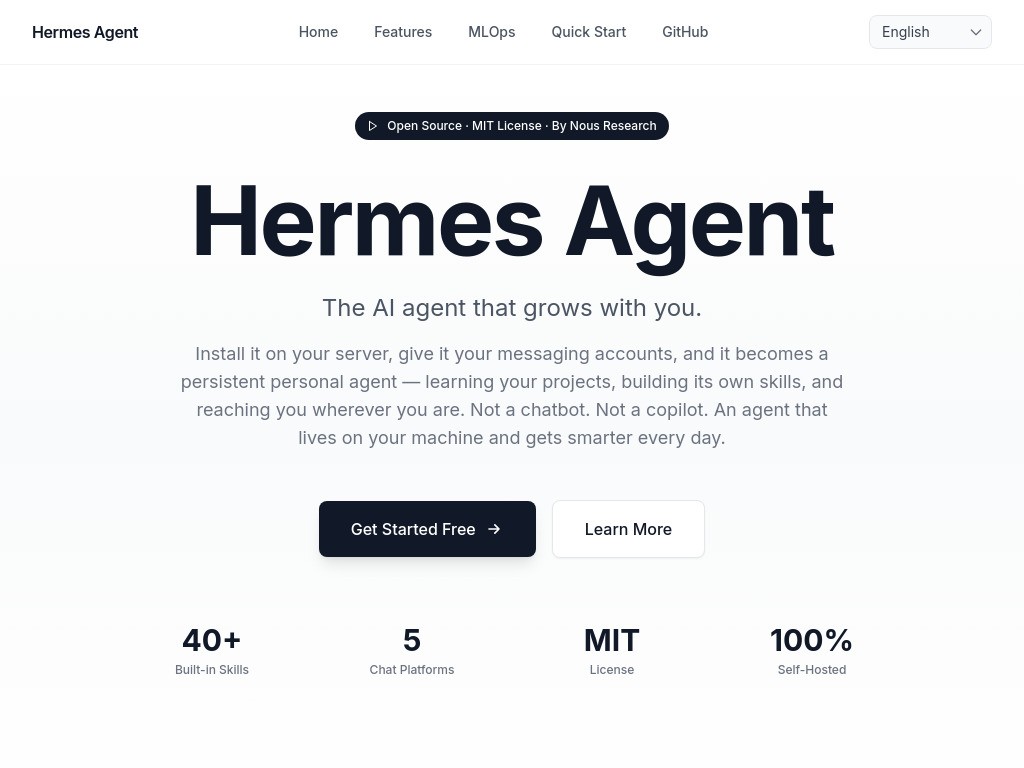
The artificial intelligence ecosystem is evolving beyond static chatbots that merely provide text-based answers to user queries, moving towards autonomous structures capable of making their own decisions and directly interacting with operating systems. One of the most tangible and striking examples of this evolution is the Hermes Agent, developed by Nous Research, one of the pioneers of the open-source community.
Pushing the boundaries of traditional AI tools, this autonomous assistant is designed as an integrated digital partner that can live on your computer, your server, and even in the messaging apps you use daily.
Nous Research and the Vision of Open-Source AI
To understand the architecture and capabilities of Hermes Agent, one must first examine the power behind it: Nous Research. Founded in 2023, this independent research group aims to take AI out of the monopoly of big tech giants and transform it into a fully open-source and decentralized structure.
The company gained global fame with the Hermes 3 model family, built on Meta's Llama architecture, which stands out particularly for its long context management, internal monologue (self-reasoning), and advanced function-calling capabilities. To democratize AI training, Nous Research also manages the Psyche platform running on the Solana blockchain and the DisTrO technology, which reduces the need for cross-GPU data transfer by thousands of times. Hermes Agent is the latest autonomous application of this visionary open-source infrastructure, poured directly into operating systems and workflows.
How Was Hermes Agent Designed? Technological Infrastructure and Architecture
Hermes Agent is not an ordinary AI interface; it is a system-level, MIT-licensed, open-source software. The project, which generated great excitement among developers from the moment it was published, is built on a flexible and modular architecture.
Model-Agnostic Structure and Local Execution Flexibility
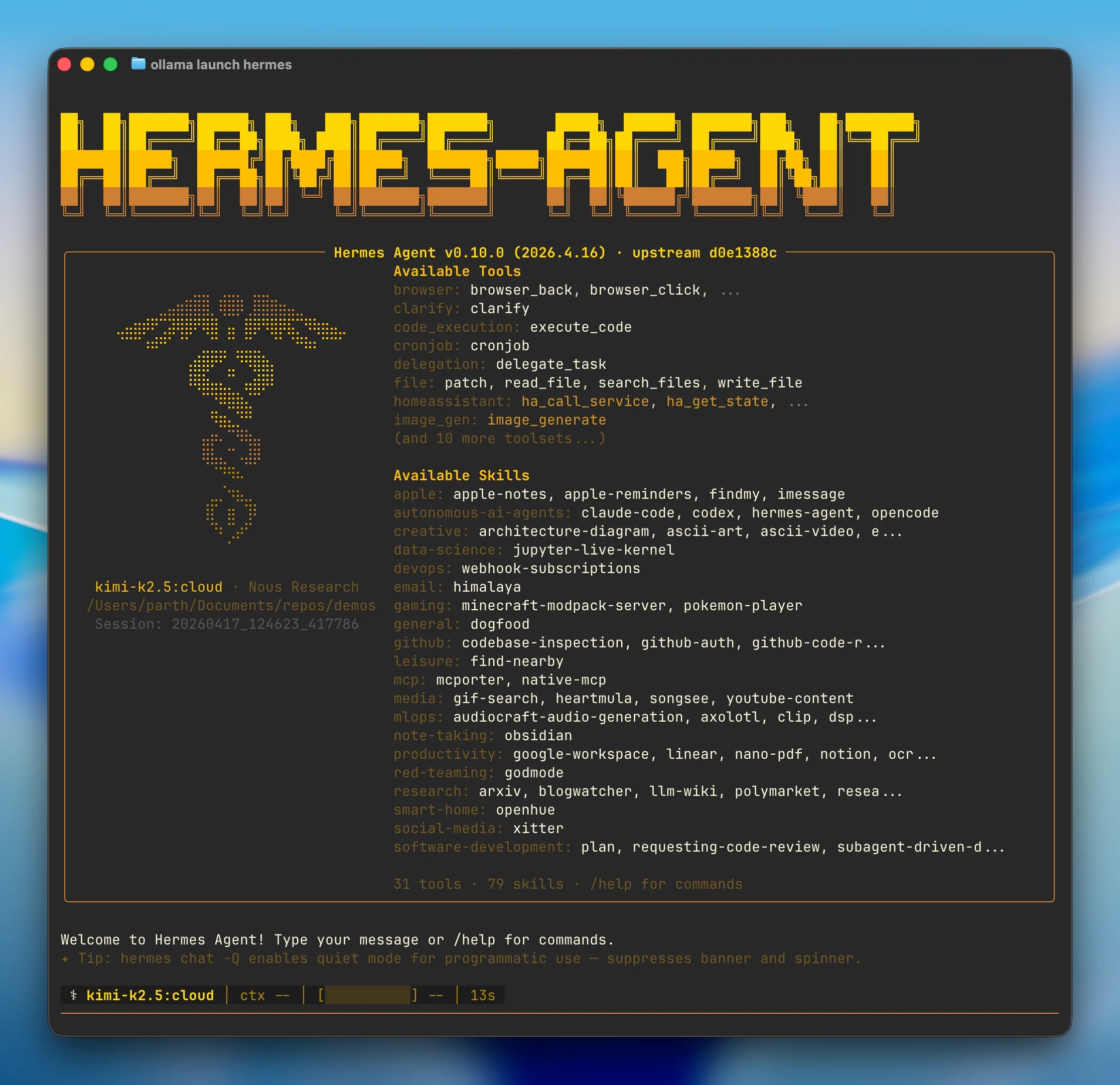
One of the greatest design advantages of Hermes Agent is that it is not tied to a single AI model or company. Users can utilize more than 300 state-of-the-art models offered via the Nous Portal as the "brain" of the agent, or they can plug commercial APIs like OpenAI (GPT-4) or Anthropic (Claude 3.5) into the system.
More importantly, for professionals aiming for absolute privacy and zero cost, thanks to Ollama integration, models can be run entirely locally on the computer without the need for an internet connection.
Persistent Memory and the Self-Improving Loop
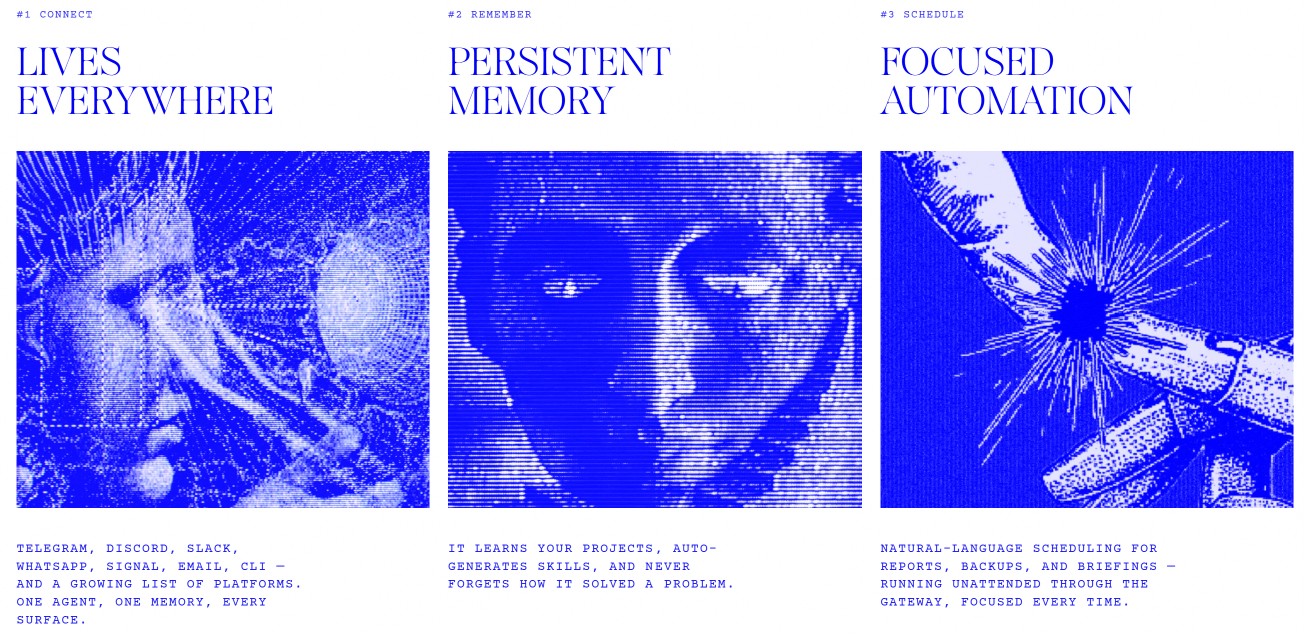
While many AI tools forget the past with every new session, Hermes Agent uses an SQLite-based advanced vector search engine and specially configured Markdown files (USER.md). These files store the user's coding preferences, work habits, long-term projects, and corporate goals.
When the agent solves a complex problem or writes a new automation script, it automatically saves this to its own "skills" library. When it encounters a similar obstacle in the next task, it takes action much faster by learning from its past experiences.
Secure Code Execution: Advanced Sandboxing Technology
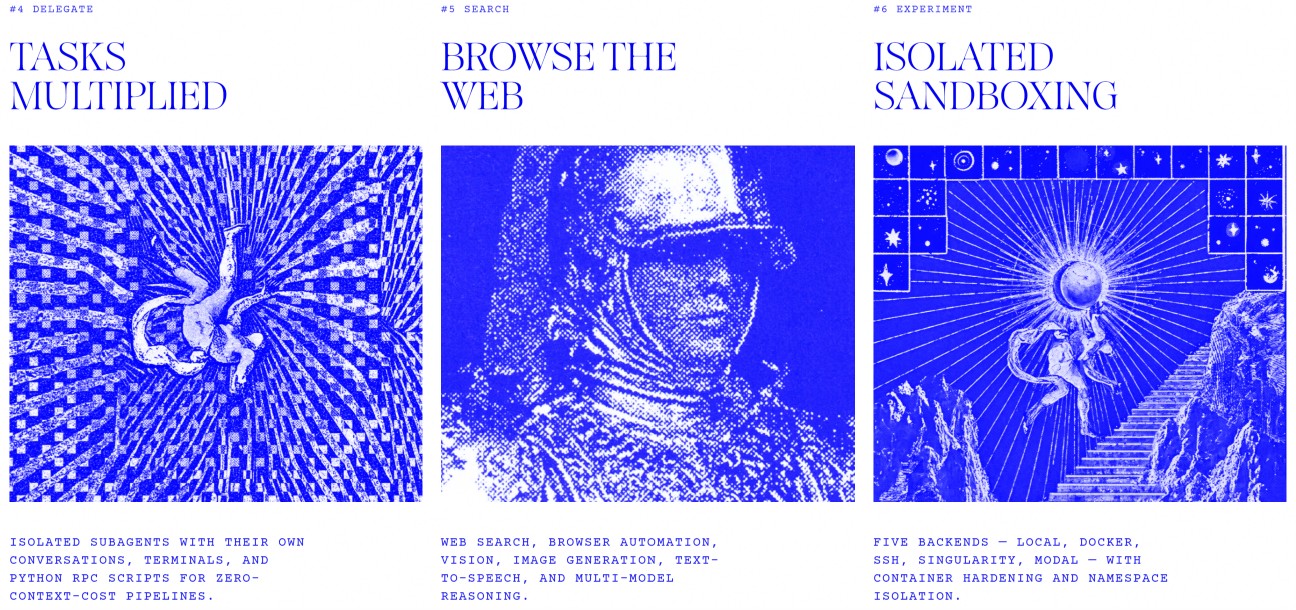
Hermes Agent can execute terminal commands, write Python scripts, and run them on the user's behalf. To prevent any harm to your system and host machine, the agent offers 5 different isolated backend (sandboxing) environments: Local, Docker, SSH, Singularity, and Modal (serverless cloud).
When a dangerous command with the potential to delete critical system files or damage the database is detected, the agent automatically suspends the process and requests a clear "Yes/No" confirmation from the user (via the terminal or a connected messaging app).
Hermes Agent’s Standout Autonomous Capabilities
Hermes Agent possesses a pool of advanced capabilities to execute complex digital tasks from end to end.
Omnichannel Gateway
The agent is not confined to its own desktop interface. Once installed on your server or local machine, it can be integrated into channels such as Telegram, Discord, Slack, WhatsApp, Signal, and email. For instance, when you are out and give the agent a command via the Telegram app on your phone like, "Read the log files on the company server, analyze the errors, and give me a summary," the agent infiltrates the server in the background, performs the necessary analysis, and delivers the report directly to your inbox.
Autonomous Cron-Jobs via Natural Language
While traditional software requires complex codes or cron structures to create scheduled tasks, Hermes Agent understands natural human language. When instructed, "Every Monday morning at 09:00, scan the latest trend articles in the AI sector, check competitor prices on e-commerce sites, and brief me over Slack," the agent autonomously processes this task schedule into the system and executes it every week without the need for human intervention.
Subagent Delegation
In multi-layered and large-scale projects, Hermes Agent can break down the work by creating isolated "subagents" that operate under it with zero context cost. Each subagent has its own terminal, chat context, and Python RPC scripts. While one subagent scrapes data from the web, another analyzes this data, and a third visualizes the report; thus, a simultaneous and error-free data pipeline is established.
Which Projects and Sectors Is It Ideal For?
Considering its extensive capability pool, the specific areas where Hermes Agent can be used with maximum efficiency are:
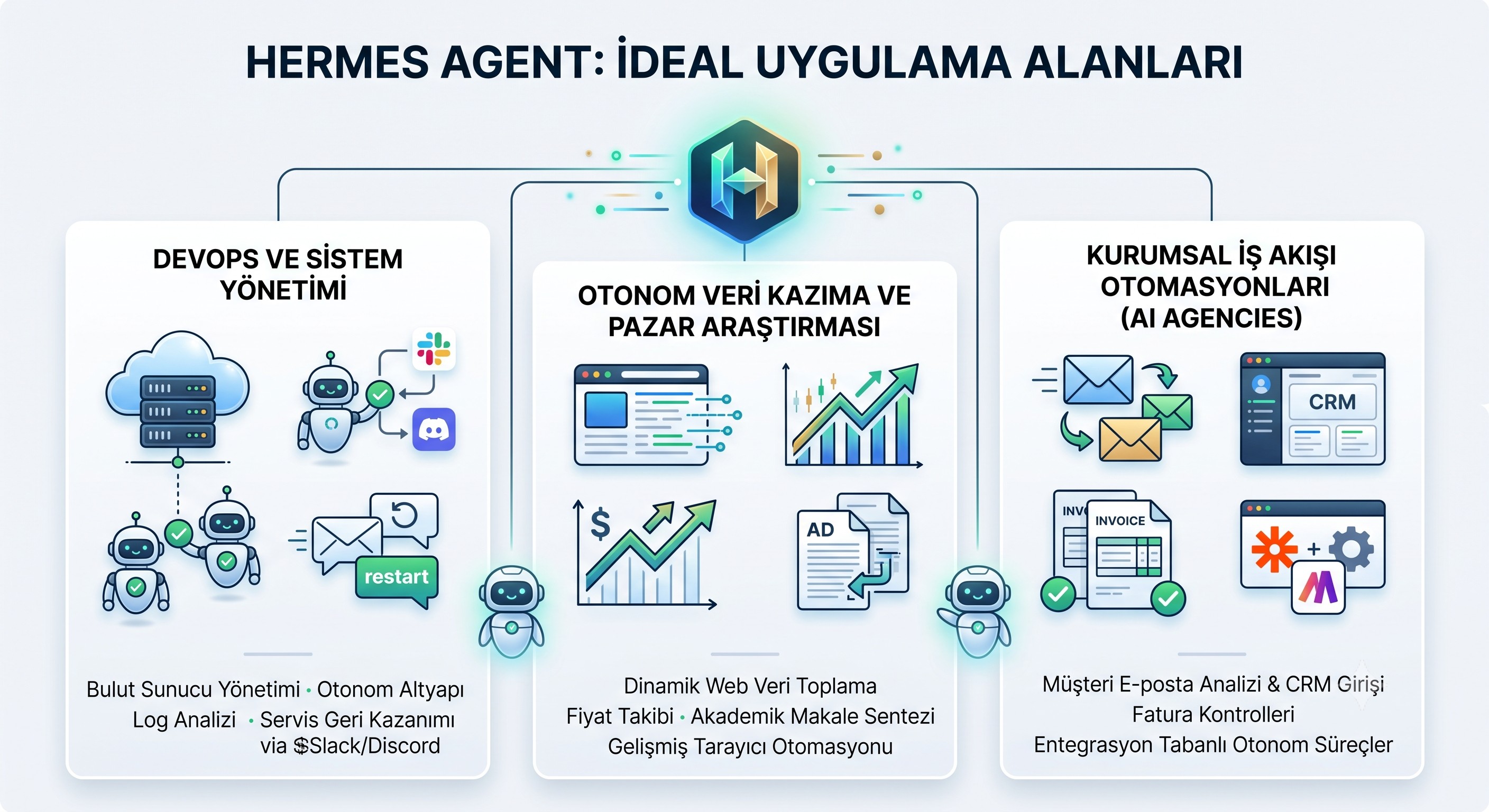
- DevOps and System Administration: It is an excellent tool for system administrators who want to remotely manage a cloud server (VPS), restart crashed services, perform log analysis, and autonomously execute infrastructure updates by giving commands over Slack/Discord.
- Autonomous Web Scraping and Market Research: Thanks to its advanced browser automation and vision capabilities, it can be used in research projects that require regularly pulling data from dynamic websites, tracking prices, or synthesizing academic papers.
- Corporate Workflow Automations (AI Agencies): It is ideal for companies that want to analyze and categorize incoming customer emails, ensure automatic data entry into CRM systems, perform invoice checks, and autonomously streamline corporate processes with Zapier/Make-like integrations using minimal human effort.
Operational Costs and Optimization Analysis
Although Hermes Agent is an open-source and free software, it leads to significant token consumption during autonomous operation. Because the agent sends a map of the actions it can take at each processing step (tool schemas and system prompts) to the model, it can spend an initial context of approximately 14,000 tokens on a single command.
Opting for expensive commercial APIs like GPT-4 or Claude 3.5 in intensive automation projects running 24/7 can result in high monthly bills. Therefore, using optimized models like Hermes 3 70B and similar ones—hosted on local servers or provided through open-source API providers at a much more affordable cost—is a critical financial advantage for operational sustainability in corporate or continuously running projects.